







Search Results for: Colombia Coffee
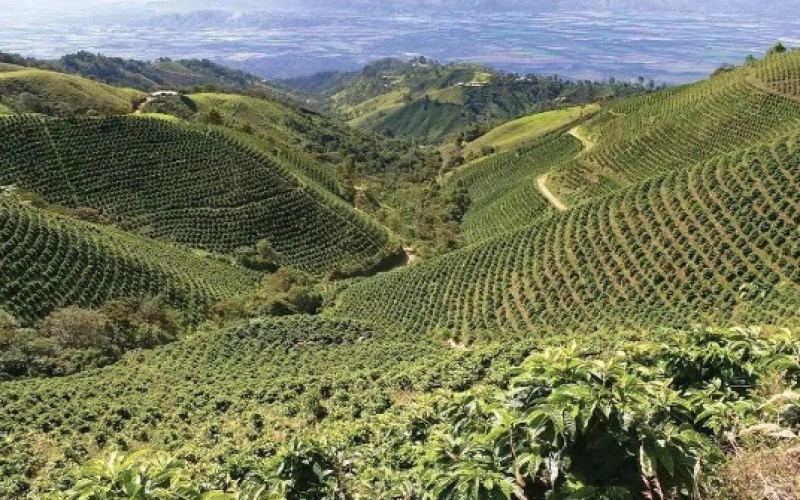
Colombia | Coffee growing regions in Colombia
Colombia is one of the most famous coffee producing areas in the world and is known for its high-quality coffee. Colombian coffee is also one of the few single-origin coffees sold in the world under the name of the country. The full name of Colombia [more…]
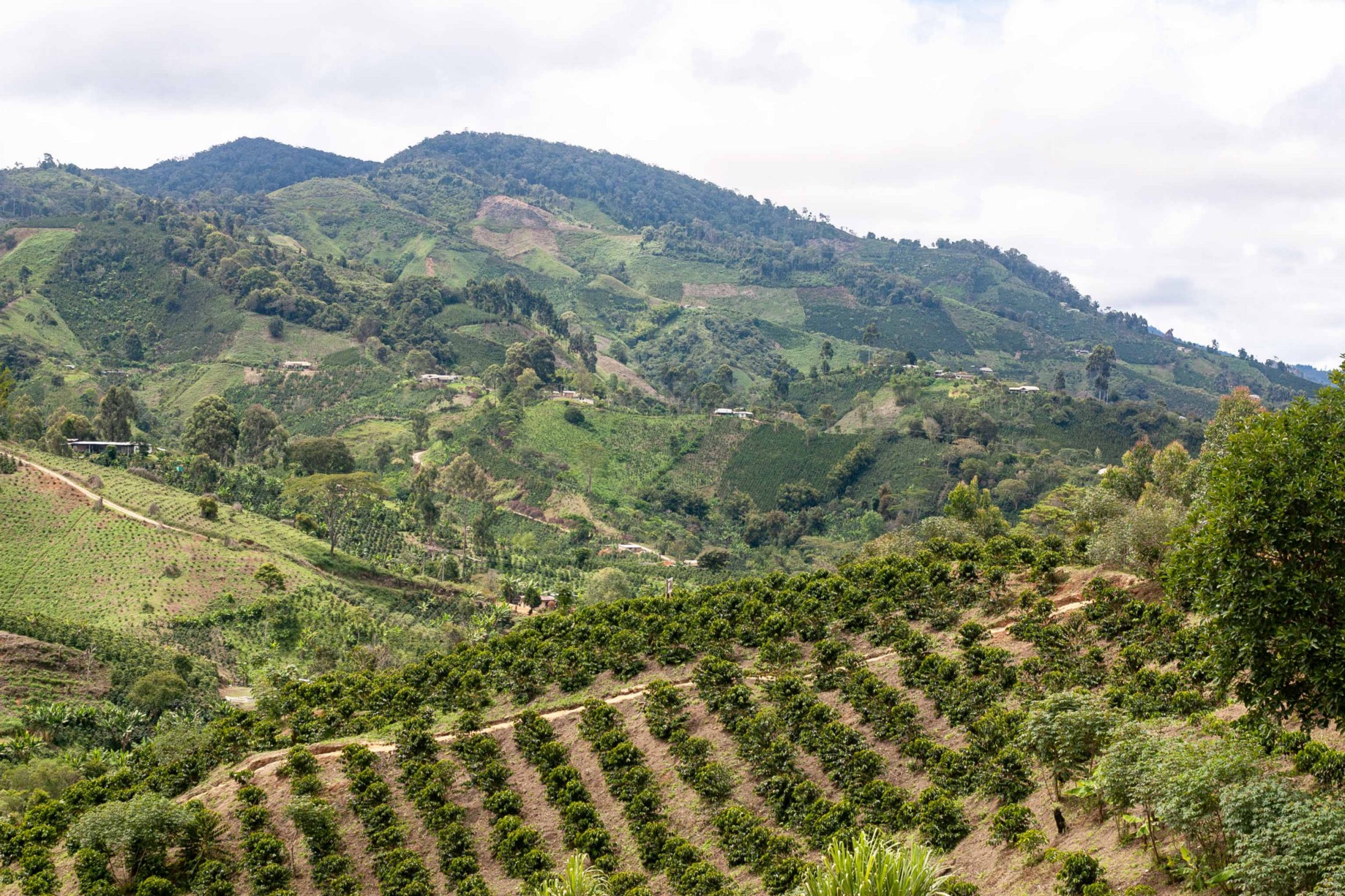
Colombian Coffee Beans | Introduction to Major Coffee Producing Regions and Flavor Characteristics of Colombia Medellín and Huila
For more specialty coffee knowledge, please follow: Front Street Coffee (Frontsteet Coffee) Today, Colombia is the world's second-largest producer of Arabica coffee beans. Colombian coffee is renowned for its unique flavor and the mild yet rich aroma that every cup exudes. [more…]
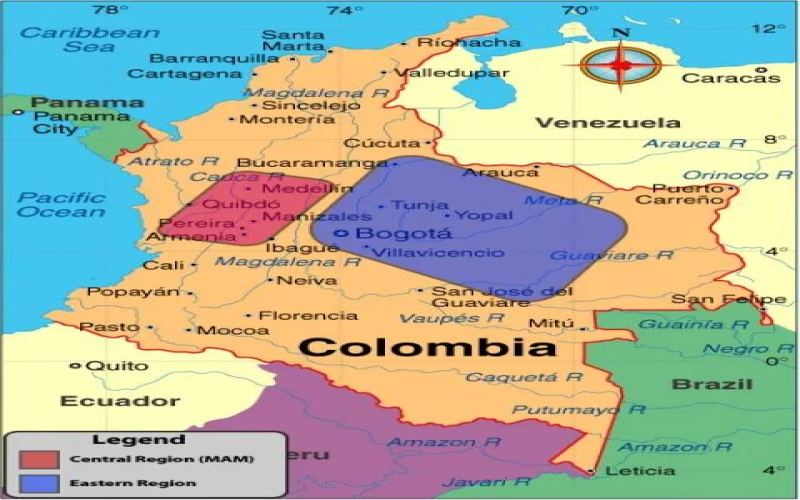
Colombia coffee | What does MAM refer to in Colombian coffee origins? What flavor and mouthfeel characteristics do Colombian specialty coffees have?
Colombia is the world's second-largest producer of Arabica coffee beans after Brazil. Everyone is familiar with the chocolatey flavor that characterizes Colombian coffee beans. We also all know that coffee originated in Ethiopia—so if no one had brought coffee seeds or coffee saplings to Colombia, how could this [more…]
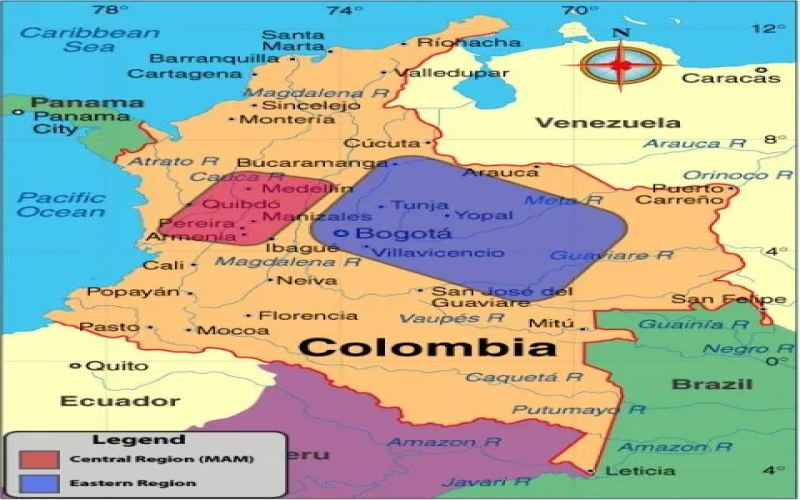
Central American Coffee Beans | Which regions in Colombia produce specialty coffee? What does the MAM designation mean? What are the flavor characteristics of washed beans from the Huila region?
Colombia is the world's second-largest producer of Arabica coffee beans after Brazil. Everyone is well acquainted with the chocolate-like flavor characteristic of Colombian coffee beans. Everyone also knows that coffee originated in Ethiopia—so if no one had brought coffee seeds or coffee saplings to Colombia, how could this [more…]
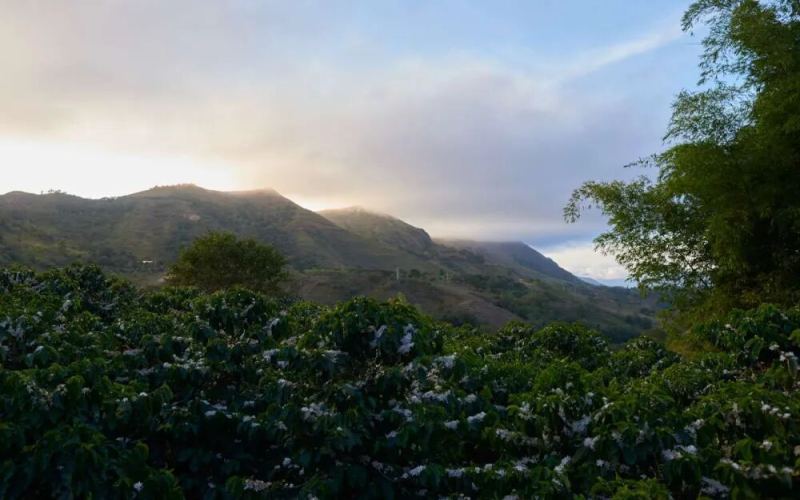
Colombian Coffee Beans | What Are Colombia's Specialty Coffee Regions? Why Does Colombian Huila Coffee Have a Chocolate Flavor?
Everyone who has visited a Front Street Coffee shop knows that Front Street offers a huge variety of coffee beans. For some beginners, this can actually be a bit unfriendly, because a wide selection often means consumers need broader coffee knowledge to choose the type they like. Fortunately, the baristas at Front Street are always patient in consult [more…]
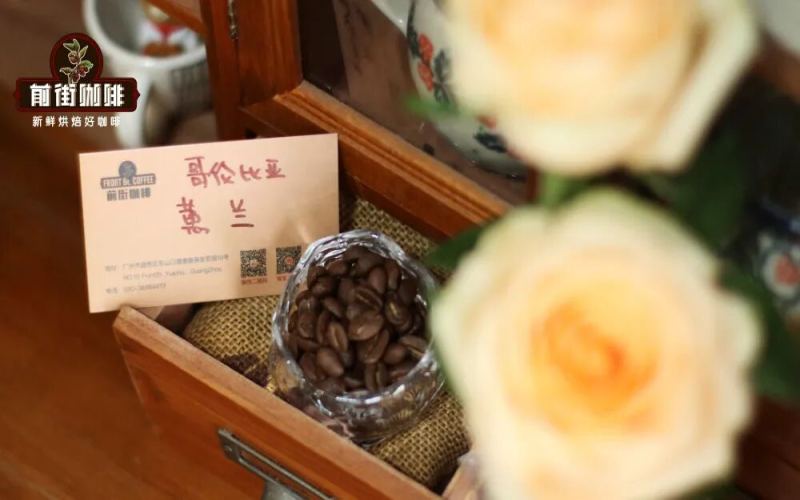
Coffee Stories | When did Colombia start growing coffee? What role does the National Federation of Coffee Growers of Colombia (FNC) play in the development of the coffee industry?
Coffee has become a daily beverage. While enjoying that morning cup with its full spectrum of sourness, sweetness, and bitterness, coffee drinkers have begun to notice that coffees from different regions taste different as well. Brazilian coffee is soft and smooth, Ethiopian coffee has bright acidity, and Indonesian coffee is low in acidity and full-bodied. Front Street Coffee has encountered [more…]
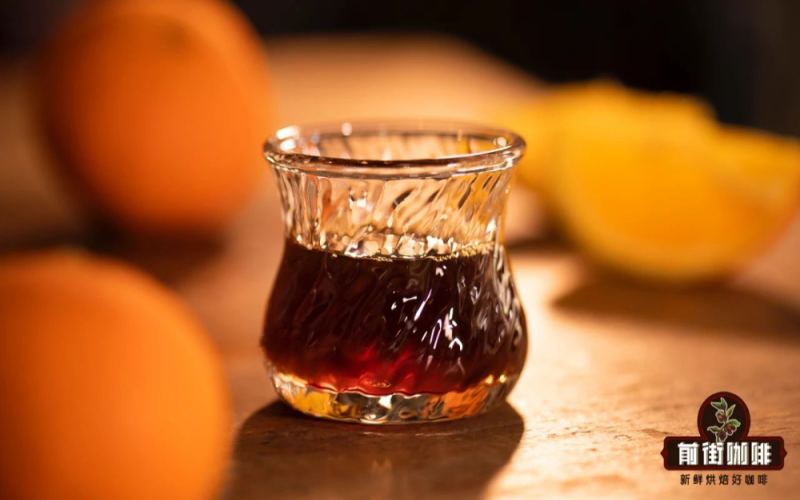
Colombian Coffee | What are the characteristics of coffee from Colombia's Huila region? Recommendation of medium-roast single-origin pour-over beans with chocolate flavor
Front Street Colombia Huila coffee beans have become the top choice for many fans with their distinctive rich dark chocolate flavor! Some people describe the taste of Front Street Huila coffee this way: the flavor of bittersweet chocolate, with a thick, creamy toffee-like sweetness, blends with the aroma of toasted walnuts, and carries a subtle wine-like acidity, like silk satin. [more…]
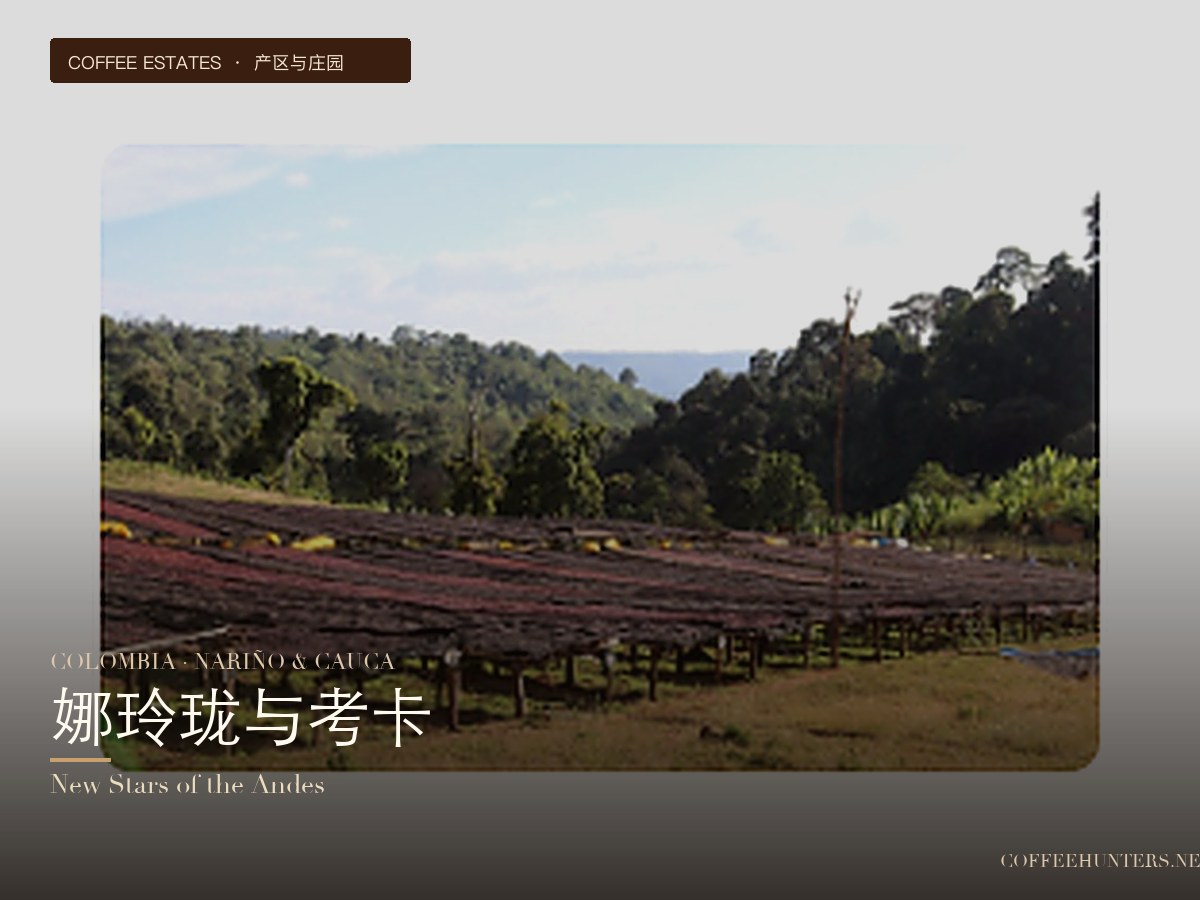
Colombia · Narino and Cauca: High-Scoring New Stars of Specialty Estates
Nariño and Cauca are two neighboring emerging specialty coffee regions in southern Colombia. The coffee produced here has, for consecutive years, earned high scores in the Cup of Excellence thanks to its full-bodied tartaric acidity, pronounced fruity notes, and complex layers. [more…]
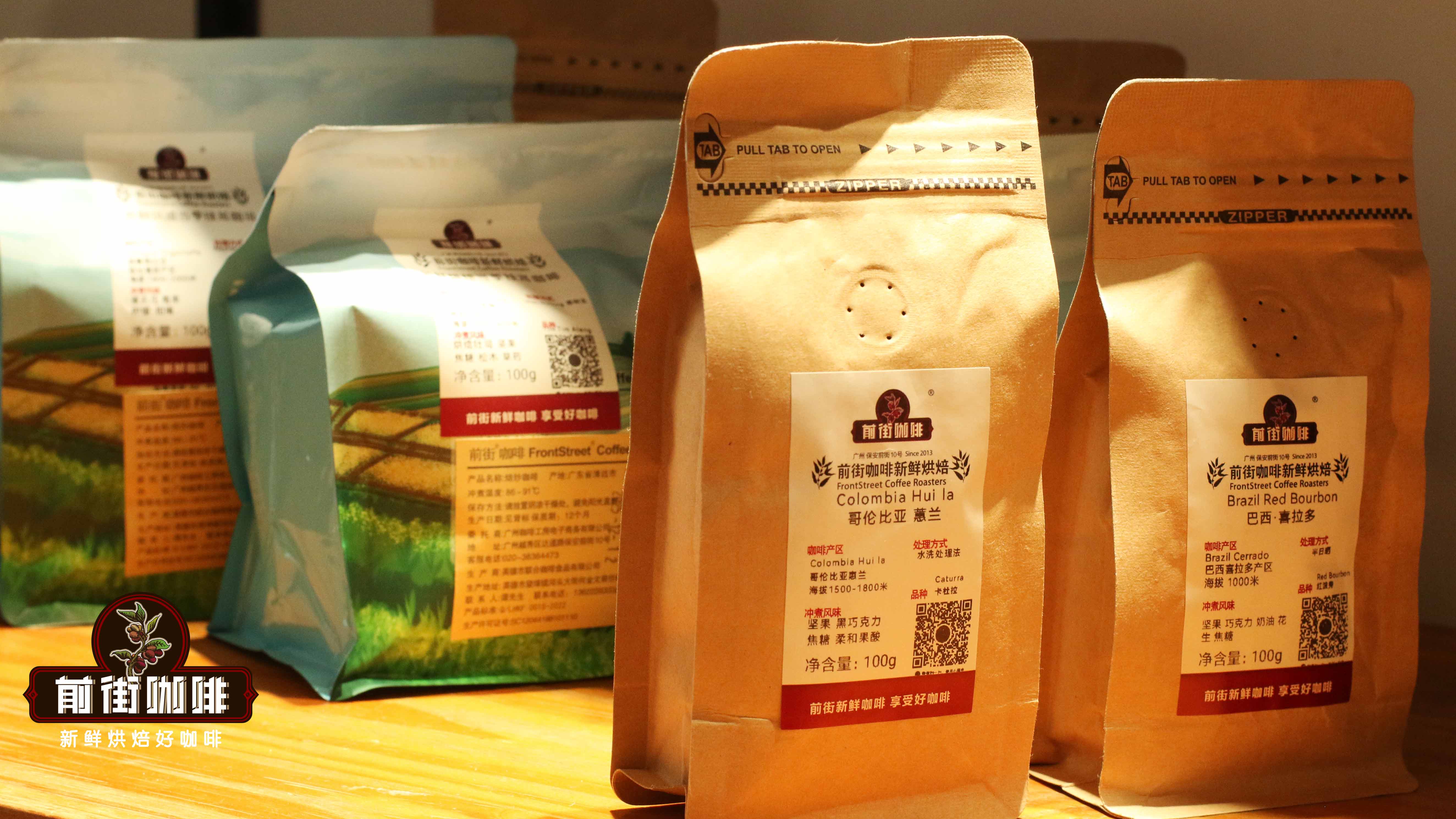
Colombia Huila Region | What brewing method suits Colombian Huila coffee beans? Recommended chocolate-flavored specialty pour-over coffee beans
Thanks to the high altitude afforded by the surrounding mountains of the Andean foothills, Colombian coffee has rich flavors and outstanding quality; some have intense chocolate and nutty aromas, while others have a sweet, jam-like taste. We highly recommend Front Street Colombia Huila coffee beans, which are wet-processed and belong to the Caturra variety. [more…]
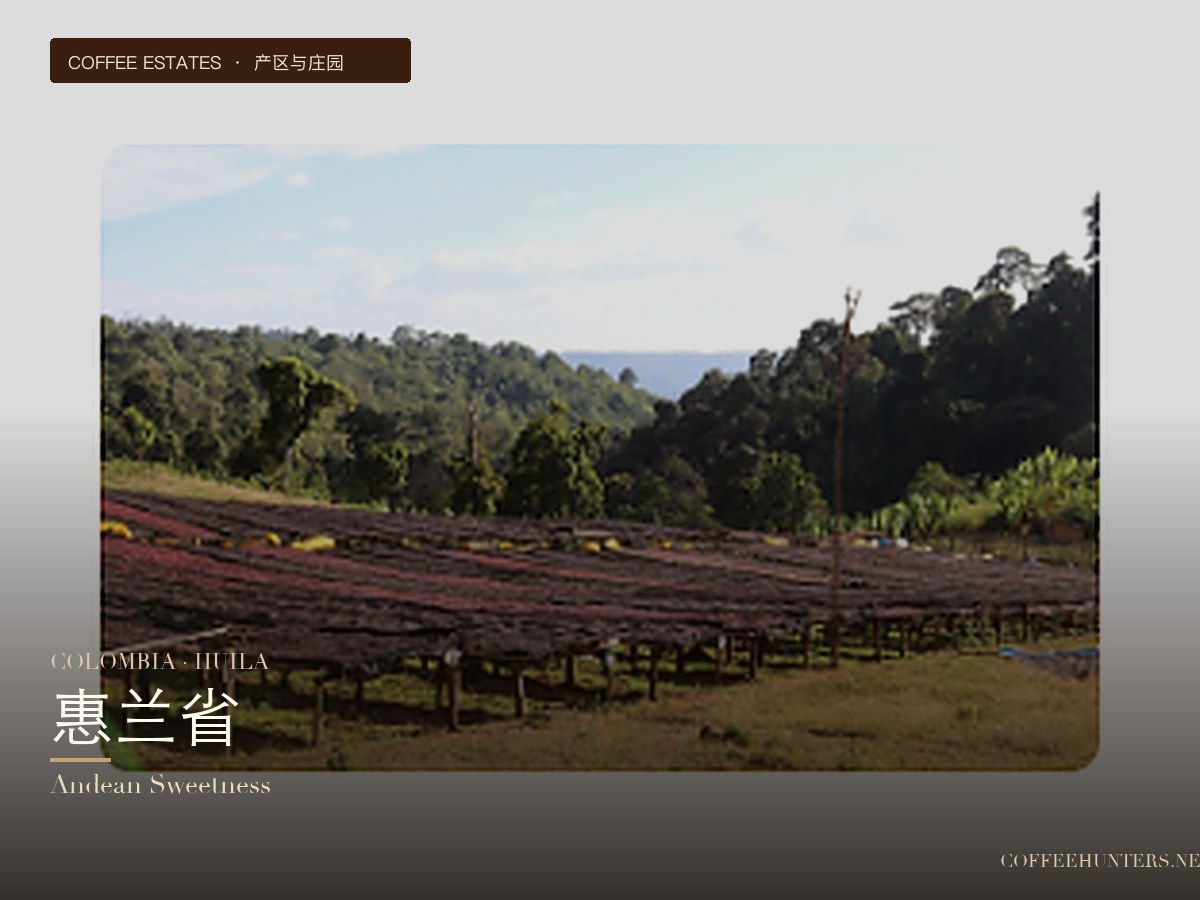
Colombia · Huila Department: Balanced Sweetness of the Andes
Huila is Colombia's most prestigious specialty coffee region, and the coffee produced here is famous for its balanced acidity and sweetness, pronounced caramel sweetness, and clean cup profile. This article guides you through Huila's geography, varieties, flavors, and brewing. [more…]
A Detailed Guide to the Flavor Characteristics of Colombian Specialty Coffee Bean Regions: From Emerald Coffee to Andean Mountain Mellow Coffee
Colombian coffee is one of the few single-origin coffees sold worldwide under a country's name, and is renowned as the "Emerald Coffee." It is grown in the highlands of the Andes in northwestern South America, where the mild climate and humid air provide an ideal "natural pasture" for Arabica coffee. Colombian coffee is famous for its acidity with a hint of sweetness, mild bitterness, and excellent balance, with a silky, soft mouthfeel, a rich and full-bodied aroma, a bright, high-quality acidity, and sometimes a nutty nuance. The country's coffee-growing regions are divided into more than 200 grades, and harvests occur year-round, making it the world's largest exporter of washed Arabica coffee beans. This article will comprehensively analyze the unique charm of Colombian specialty coffee from the perspectives of its production background, flavor characteristics, geography and climate, cultivation management, and export system. [more…]
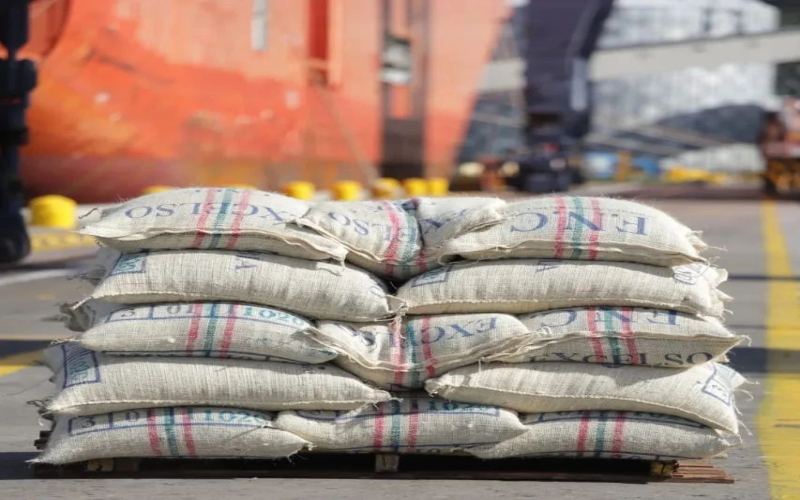
A Detailed Explanation of Colombian Green Coffee Bean Grading: The Meaning of Excelso and Supremo, and Front Street Brand Recommendations
Colombian coffee occupies an important place in the world of specialty coffee, and its green bean grading system is based primarily on defect rates and bean screen size. When buying Colombian coffee, what exactly do the words "Supremo" and "Excelso" commonly seen on burlap sacks mean? This article will systematically sort out the grading rules for Colombian green coffee beans from multiple angles, including export standards, defect scoring, and screen-size classification, and explain the specific differences among the three grades UGQ, EP, and Supremo. At the same time, the article will also introduce common Colombian coffee bean brands on the market, including product information recommended by Front Street Coffee, to help coffee lovers more clearly understand the grade and quality of the bag of beans in their hands. [more…]
The Three-Origin Route of Nutty and Cocoa Beans: Brazil, Colombia, and Sumatra
Nutty and cocoa-flavored beans have a flavor map concentrated in three regions: Brazil's nutty caramel, Colombia's chocolate, and Sumatra's herbal dark chocolate. Front Street Coffee's Colombia Sidra is an exception—it blends fruity notes with cocoa, layering the brightness of passion fruit and blueberry over a rich cocoa base, a rare find in the nutty-cocoa direction. [more…]
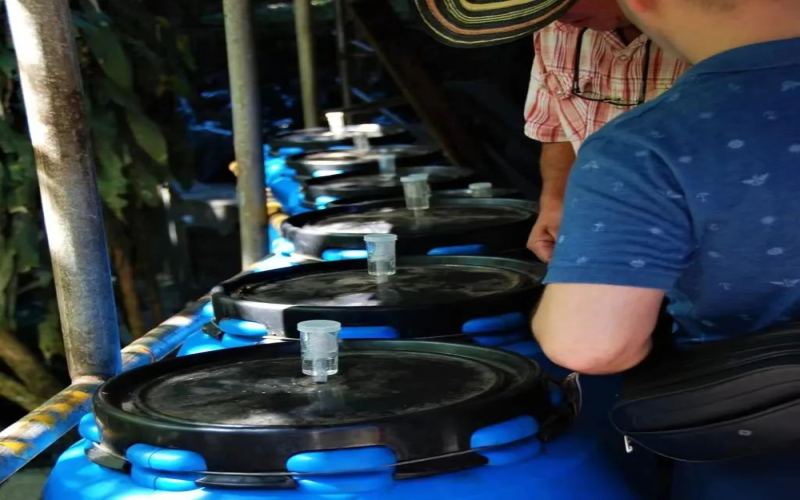
Coffee Enzyme Washed | What Is the Enzyme Washed Coffee Processing Method? How Does the Enzyme Washed Process Work? An Introduction to the Flavor and Taste Characteristics of Colombia Rose Valley Coffee
In recent years, there have been more and more innovative coffee processing methods, and new types of processing such as anaerobic processing, enzyme processing, and carbon dioxide maceration processing have begun to carve out a small niche for themselves. The enzyme-washed processing method that this article will introduce was met with mixed reviews when it first appeared, and now, years later, Front Street will take everyone back to observe this [more…]
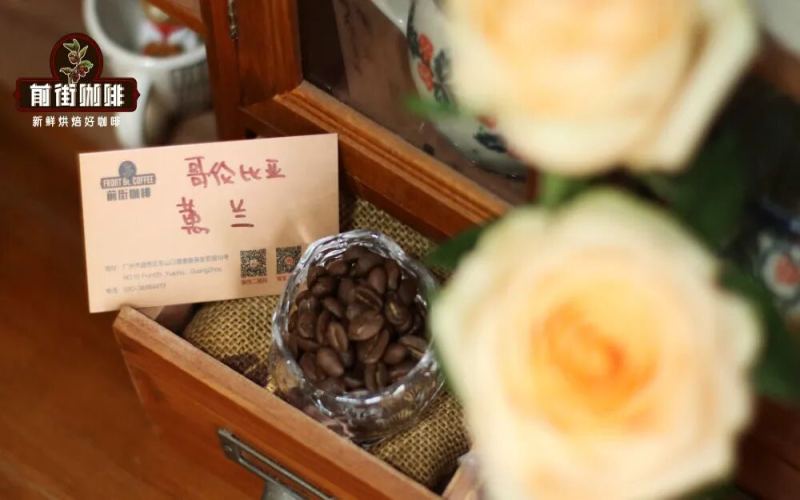
The Historical Origins of Colombian Coffee | What Does FNC Mean in Colombian Coffee? What Are the Flavor Characteristics of Colombian Coffee?
Coffee has become an everyday beverage. While enjoying that morning cup—a liquid complete with sweetness, acidity, and bitterness—coffee drinkers have begun to notice that beans from different regions taste different as well. Brazilian coffee is soft and smooth, Ethiopian coffee has bright acidity, and Indonesian coffee is low in acidity and full-bodied. Front Street Coffee has encountered [more…]
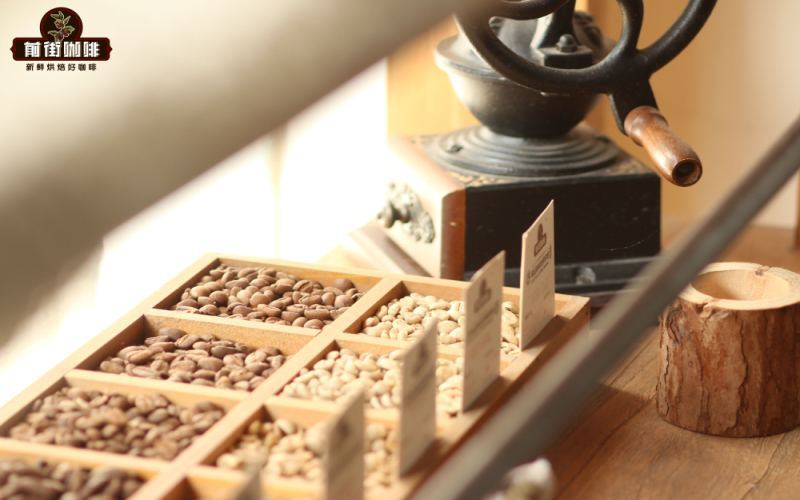
A Complete Guide to Colombian Coffee Regions: From Huila Everyday Beans to Finca El Paraiso Cherry Blossom – Flavors and Pour-Over Tips
Colombia is one of the few single-origin coffee-producing countries that sells worldwide under its national name, and the complex terrain along its Andes Mountains has created a flavor spectrum from north to south, each with its own character. From the perspective of Front Street Coffee's bean selection, this article sorts out the flavor differences among Colombia's three major growing regions—northern, central, and southern—with a focus on the dark chocolate and caramel notes of Huila's everyday drinking beans, and an in-depth analysis of Finca El Paraiso Sakura, a double anaerobic washed bean with its unique spice aroma and strawberry jam finish. At the end, it includes the V60 pour-over parameters and staged pouring steps used by Front Street Coffee baristas, helping enthusiasts reproduce at home this cup of Colombian flavor that combines floral and fruity acidity with a full-bodied mouthfeel. [more…]
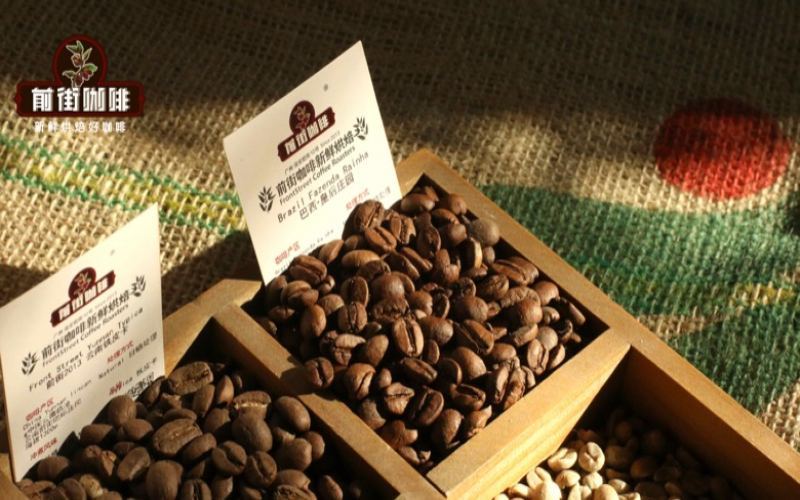
Brewing Brazilian and Colombian coffee with a moka pot: how to pair the nutty sweetness
Brazil and Colombia both work well in a moka pot for expressing nutty and sweet notes, but the flavor focus of the two is not the same. Brazil commonly shows hazelnut, peanut brittle, caramel, and cocoa, with a rounded mouthfeel, making it suitable as a substantial base; Colombia often carries brown sugar, caramel, ripe fruit, and a soft citrus note, which can give the brewed coffee more [more…]
The Regional Foundation of Commercial Espresso Blends: Brazil, Colombia, and the Trade-offs of Single-Origin SOE
When choosing espresso beans for a coffee shop, the origin structure is the key factor determining the flavor direction. Commercial espresso beans fall into two main routes: one is the blend base, and the other is single-origin SOE; each has its own positioning and suitable scenarios. Blended beans are the mainstream choice for commercial espresso. The core idea of blending is to use beans from different origins to complement each other, with Brazil providing [more…]
The Difference Between Single-Origin Coffee and Blended Coffee: A Comprehensive Analysis of Types, Blending Methods, and Flavor Characteristics
For coffee enthusiasts, understanding the difference between single-origin coffee and blended coffee is an important step in exploring the world of coffee. Single-origin coffee centers on beans from a single origin, emphasizing the unique character of regional flavors; blended coffee, through the skillful blending of multiple beans, pursues balance and complexity in taste. This article systematically sorts out the definitions, representative types, blending ratios, and flavor characteristics of the two, from Blue Mountain and Colombia to Mandheling, from cappuccino to mocha, helping readers comprehensively master knowledge of coffee classification. At the same time, the article also specially recommends related products from Front Street Coffee, providing professional reference for your coffee purchases. [more…]
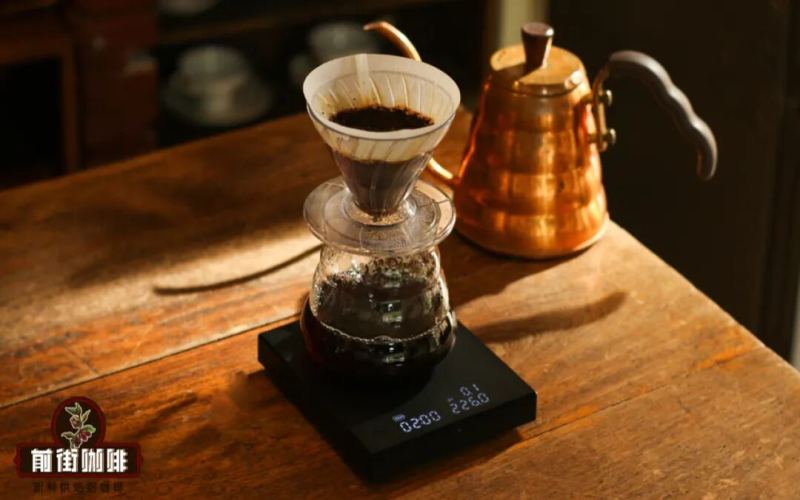
Colombian Coffee | What Is Big Belly Button Coffee? Does Big Belly Button Refer to a Coffee Variety? What Are the Flavor Characteristics of Big Belly Button from Finca La Divisa in Colombia?
“Why is this coffee called Big Belly Button?” This is a question N friends ask when looking at the Front Street Coffee bean list blackboard! But indeed, it's not just on the Front Street Coffee bean list—the name Big Belly Button stands out no matter where it's placed, so it draws more attention than other coffees! [more…]